
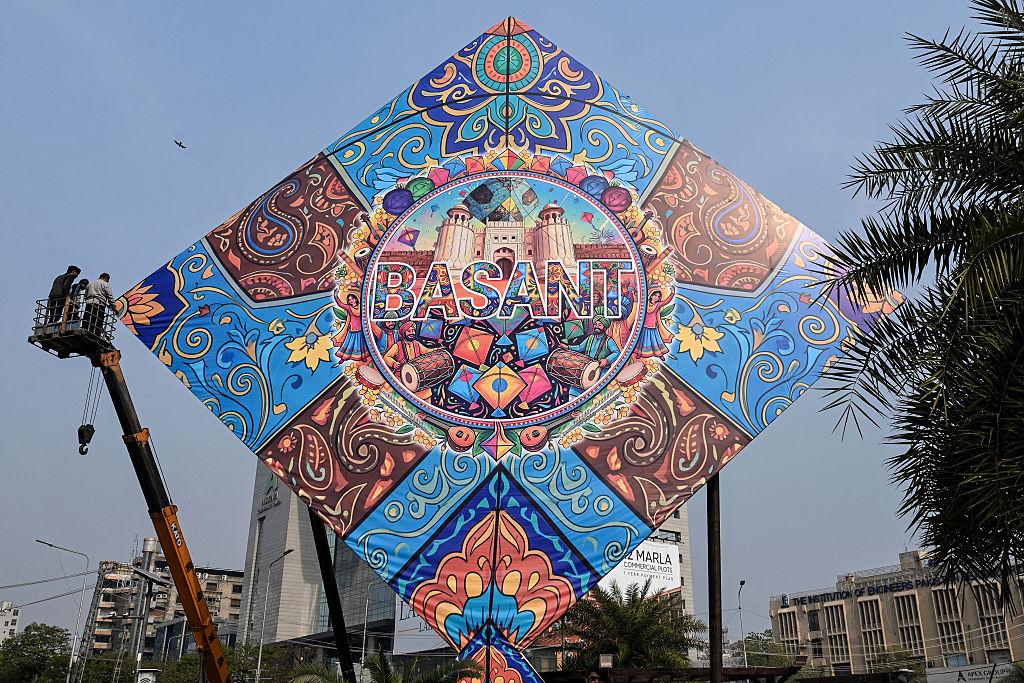
As winter slowly fades away, the arrival of spring brings with it renewed energy, blooming flowers, and a sense of celebration. During these days, Basant is being remembered and discussed across Pakistan as a traditional spring festival that has long symbolized happiness, color, and togetherness.
Though celebrated in different forms over time, Basant remains deeply rooted in the cultural memory of the region.
What Is Basant?
Basant marks the transition from winter to spring. Traditionally, it was celebrated with:
- Kite flying
- Wearing bright yellow clothes
- Family gatherings on rooftops
- Traditional food and music
The sky filled with colorful kites became a joyful sight, especially in cities like Lahore, where people of all ages participated in welcoming spring.
Cultural Importance of Basant
Basant is often remembered as a cultural and seasonal celebration, not tied to politics or ideology. Its essence lies in:
- Celebrating nature and seasonal change
- Promoting joy and social bonding
- Encouraging outdoor activities
- Preserving regional traditions
For many families, Basant was a time to reconnect with relatives, neighbors, and friends, creating memories that lasted a lifetime.
Basant and Kite Flying Tradition


Kite flying became the most iconic part of Basant celebrations. Rooftops turned into lively gathering spots, and the skies reflected a festival-like atmosphere.
The tradition also inspired:
- Small local businesses
- Handcrafted kite making
- Seasonal markets and stalls
These activities added to the festive economy and community engagement during springtime.
Safety Awareness and Responsible Celebration
Over time, concerns related to public safety highlighted the need for responsible behavior during festivities. Awareness around safety helped shift conversations toward:
- Protecting lives and public property
- Encouraging safer alternatives
- Promoting community responsibility
Today, Basant is often discussed as a cultural memory and seasonal symbol, reminding people of the importance of celebrating traditions responsibly.
Basant in Modern Times
In recent years, Basant is mostly observed through:
- Cultural discussions and media features
- Spring-themed events and decorations
- Art, photography, and storytelling
- Educational content highlighting heritage
Even without large-scale celebrations, the spirit of Basant continues to live on through color, creativity, and appreciation of spring.
A Symbol of Joy and Renewal


Basant represents more than a festival—it symbolizes renewal, optimism, and joy. As spring arrives, people naturally feel uplifted, inspired, and ready for new beginnings.
Remembering Basant today is a way of honoring cultural heritage while embracing modern values of safety, responsibility, and harmony.
Conclusion
Basant remains a cherished part of cultural history, associated with colors in the sky, laughter on rooftops, and the arrival of spring. While times change, traditions continue to inspire conversations about heritage, celebration, and community spirit.
As spring unfolds, the memory of Basant reminds us to welcome the season with positivity, balance, and respect.
Pak News Point — celebrating culture, seasons, and stories that connect us all.
About the Author