
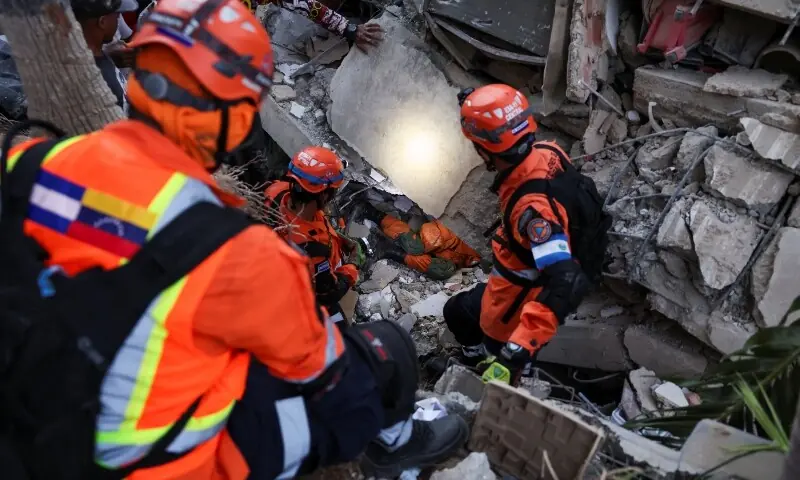
In Venezuela, many Android smartphone owners experienced a premonition of sorts as alerts from their devices preceded a devastating earthquake. This situation highlighted how global tech giants like Google incorporate earthquake early warning systems into mobile devices.
Google’s Android and Apple iOS platforms allow users to receive government alerts for emergencies such as earthquakes. However, what makes the Venezuelan experience unique is that these alerts came directly from smartphones themselves, not just warnings issued by governmental authorities.
The accelerometer in almost all modern Android phones can detect ground shaking associated with an earthquake. This detection allows a quick alert system to send information about potential tremors to Google servers, where data is rapidly cross-referenced for confirmation and location estimation.
Google’s two-stage alerts—‘BeAware’ for weaker tremors and ‘TakeAction’ for the strongest quakes—were notably effective in the Venezuelan earthquake. This provided residents with precious seconds to prepare before the destructive S-waves arrived, underscoring how smartphones can be powerful tools in disaster management.
Despite some hiccups, including misfires on devastating earthquakes in Turkey and Syria in 2023, Google has since refined its algorithmic processes. This improvement underscores the evolving role of technology in disaster preparedness and response.
In Venezuela, posts and videos shared on social media platforms like X (formerly known as Twitter) praised Google for providing these critical alerts. These reminders underscored how even small devices can be pivotal in saving lives during emergencies.
Source: Original report
About the Author