
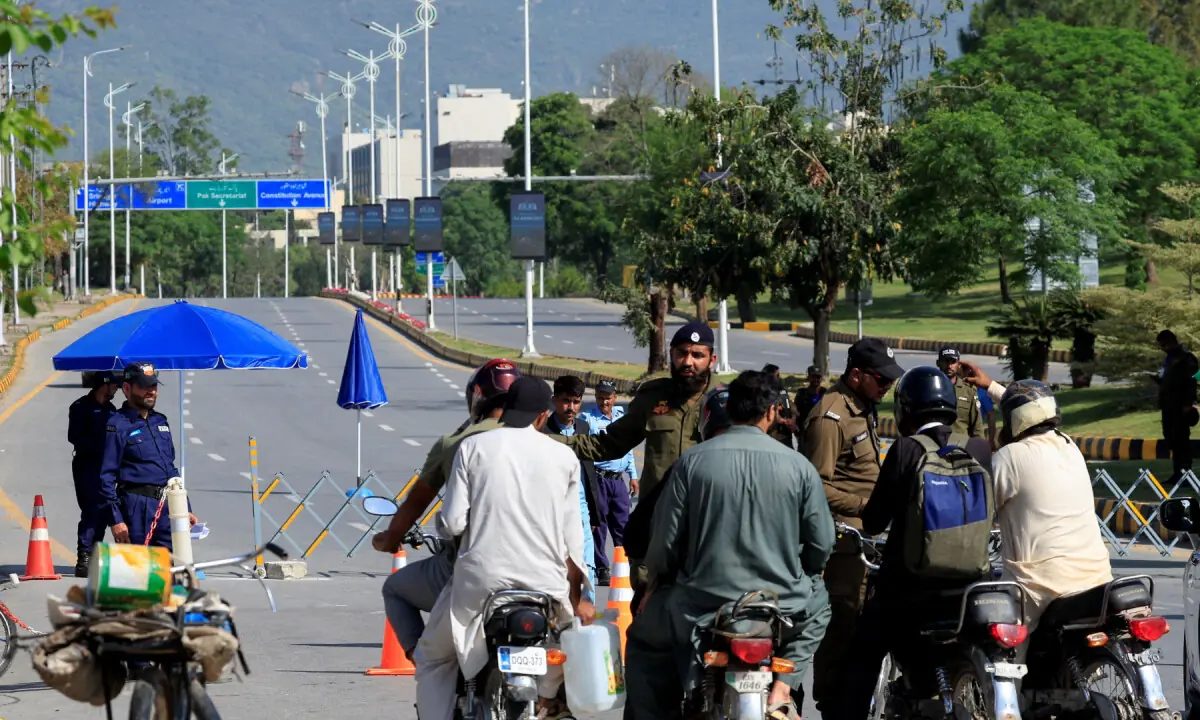
Islamabad’s Red Zone remains off-limits; other routes in twin cities reopen to public after days-long closure has drawn attention as part of the latest developments being reported. Below is a cleaned summary based on the feed item.
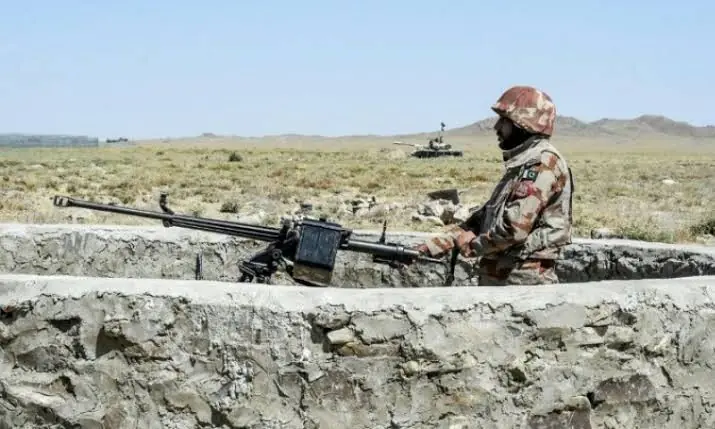
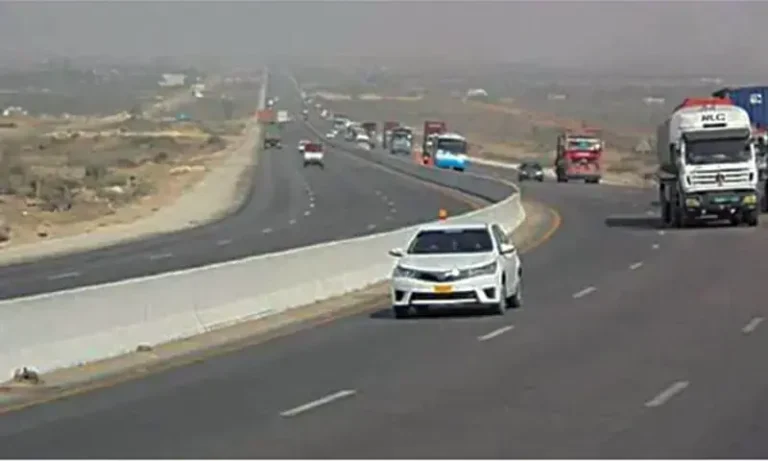
Islamabad’s Red Zone remained sealed to the general public on Wednesday, but other routes in the twin cities, sealed earlier for the security of foreign delegations visiting the capital, were opened to the public, easing some hardship faced by the residents. US Vice President JD Vance and his team had been expected to arrive on Wednesday morning, but the White House abruptly changed plans, with Iran’s negotiating delegation also delaying a decision on attending talks. Major roads have been closed in recent days to facilitate the arrival of foreign delegations and advance teams. Markets were quiet, government officials worked from home, children attended classes online and security forces enforced strict curbs on entering the vast Red Zone. The security in the Red Zone, where government buildings and offices are located, remained high. There was a heavy deployment of law enforcement personnel and the army was patrolling the area. Public entry to the Red Zone has remained sealed since Sunday, with access restricted to critical officials and some staff sticking to previous orders to work from home. However, police deployment plans made earlier in anticipation of the foreign delegations’ arrival were not implemented, as official confirmation of the talks was still awaited. Govt offices to work from home on Thursday Islamabad Deputy Commissioner Irfan Nawaz Memon shared a Cabinet Division notification on X, according to which all ministries, divisions, and federal government offices located within the Red Zone, in Islamabad would observe work from home on Thursday for the fourth consecutive day. All officers and staff had been directed to remain available and report to office if required on short notice, the notification said. The DC also debunked a fake notification, which claimed that the closure time for shops, markets and shopping malls had been revised to 10pm for the ongoing week. Authorities had previously announced that shops, markets and shopping malls in the city were to close by 8pm, as the government adopted austerity measures to tackle issues arising from the Mideast war-driven global fuel crunch. Memon dismissed in a post on X the notification claiming that the closure time had been extended to 10pm. “A fake notification regarding revised shop closure timings is being circulated on social media. The Islamabad administration has NOT issued any new notification today in this regard. Citizens are advised to rely only on official sources for authentic information and avoid sharing unverified content,” he said. Situation in twin cities According to a Dawn correspondent in Islamabad, the situation in areas other than the Red Zone was “normal” on Wednesday. Out of the four bus terminals situated across the capital, only Chungi No. 26 was opened on Tuesday. In Rawalpindi, bus stand services on Peshawar Road were also restored a day earlier. On the other hand, Pirwadhai and Faizabad bus stands remained closed, and goods transport has not resumed yet. However, a correspondent in Rawalpindi said no shortage of green groceries, dairy, and meat and poultry products had been witnessed as of Tuesday. A Dawn correspondent in Islamabad said there had been no transportation of goods to and from the twin cities. Meanwhile, the public sentiment in the city seemed to be mixed, with people elated over Pakistan’s image being burnished on the global stage, but at the same time unable to ignore the resulting challenges in their daily lives. High-stakes US-Iran talks were pushed back at the last minute overnight, but many residents began to tire of the heavy personal and economic toll of tight security restrictions. Many residents hoped that negotiations would bring an end to road closures and other restrictions throughout the capital, with some areas under virtual lockdown. “We have to live here; the Red Zone has been shut down. Children cannot go to school, and shops are closed from time to time,” said 27-year-old office worker Zainab Ali Uthmankhail. “Personally, I do find it very annoying. My time is wasted. Transport fares have increased. But I am happy that we are doing something positive,” she was quoted as saying by AFP. No customers Similar measures were enforced for the first round of US-Iran talks in Islamabad earlier this month, and some restrictions were never lifted. That round of negotiations ended without an agreement, but US President Donald Trump extended a ceasefire on Wednesday as feverish diplomacy continued to end the Middle East war that began with US and Israeli strikes on Iran on February 28. Islamabad residents are used to restrictions and road closures, having lived through periods of terrorist attacks, political protests and visits by heads of state. But the intensity and stop-start nature of this month’s measures have pushed some to the limit, especially the many small business owners and daily wage workers whose incomes have been slashed in an already struggling economy. “The impact of the lockdown is that we are not seeing any customers here in the market… the government does not know what one day of their lockdown does to our households,” Muhammad Ahsan, 35, the owner of a small jewellery kiosk, said this week. “Our stoves do not run, we do not find food [in the markets].” Large businesses were also affected, with major oil refiner Attock announcing it was pausing production at a key unit due to transport disruptions. Many in Islamabad, nonetheless, were proud of the country’s role in navigating a possible end to weeks of fighting that has killed thousands and thrown the global economy into turmoil. However, they also braced themselves for more disruption. “We are giving a small sacrifice to reduce the size of the larger sacrifice,” said Syed Umar Hasnain Shah, a young doctor. “So we will continue to sacrifice.” Additional input from Aamir Yasin
Why this matters
This update matters because islamabad’s Red Zone remained sealed to the general public on Wednesday, but other routes in the twin cities, sealed earlier for the security of foreign delegations visiting the ca
Source: Original report
About the Author